Bitcoin Struggles as Macro Forces and Oil Prices Drive Market Uncertainty
By: Eva Baxter
The recent volatility in the cryptocurrency market has highlighted the intricate interplay between global macroeconomic factors and digital assets. Bitcoin, the largest cryptocurrency by market capitalization, has been oscillating with significant fluctuations amid rising oil prices, concerns about macroeconomic stability, and fluctuating inflows into Bitcoin ETFs. Over the past few weeks, Bitcoin has slipped below significant psychological price points, reflecting broader market turbulence.
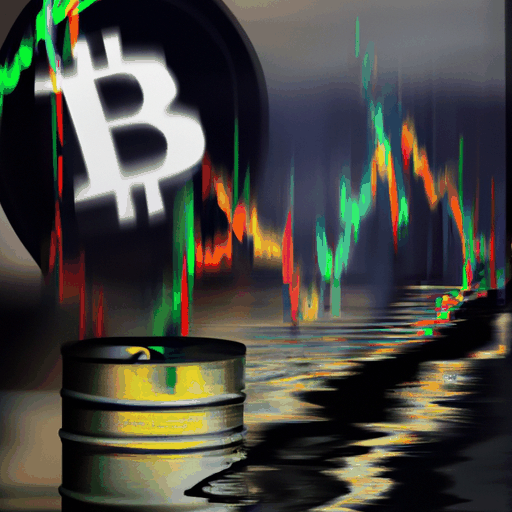
Factors such as the sharp rise in oil prices have emerged as a new indicator for Bitcoin's trajectory. Oil surged past $115 per barrel, spurred by geopolitical tensions in the Middle East, especially around the strategic Strait of Hormuz. This uptick in oil prices intensified inflation concerns and pressured financial markets, leading to widened interest rate spreads and jitteriness among Bitcoin traders.
The crypto market also faced challenges from the evolving landscape of ETF flows. Notably, US spot Bitcoin ETFs observed renewed inflows, reversing a five-week trend of outflows. This flow dynamic underscores the increased participation of institutional investors in the market, altering Bitcoin's price response to macroeconomic signals. Concurrently, Bitcoin miners have remained active in the market, selling significant BTC volumes possibly to offset operating costs amidst a challenging landscape marked by energy price hikes.
Investor sentiment remains cautiously watchful as traders assess the implications of labor market data and inflation forecasts. Miners, ETFs, and derivatives markets are now vital elements in the cryptocurrency ecosystem, shaping Bitcoin's near-term volatility. As such, the convergence of macroeconomic shocks, commodity price influences, and evolving investor behaviors makes for a complex trading environment, where Bitcoin's future positioning will depend largely on global economic developments and central bank decisions.